
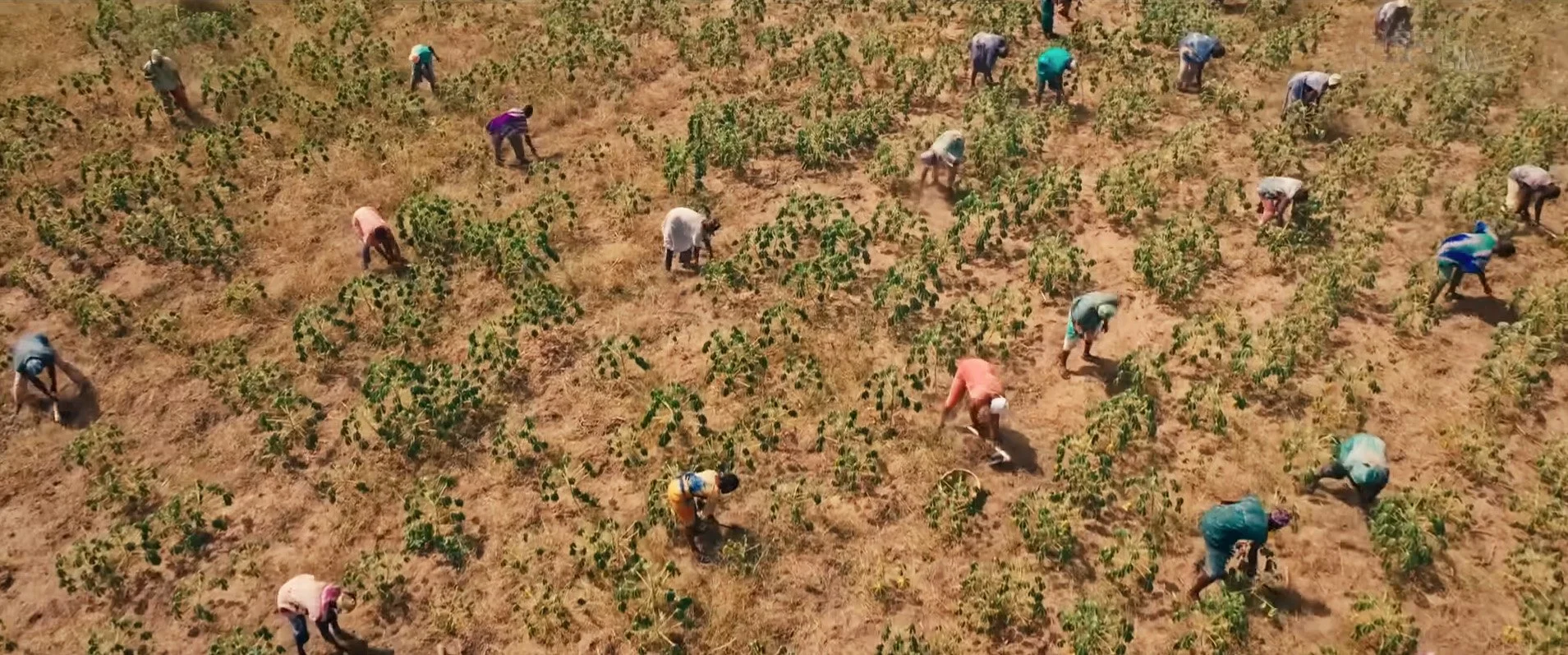
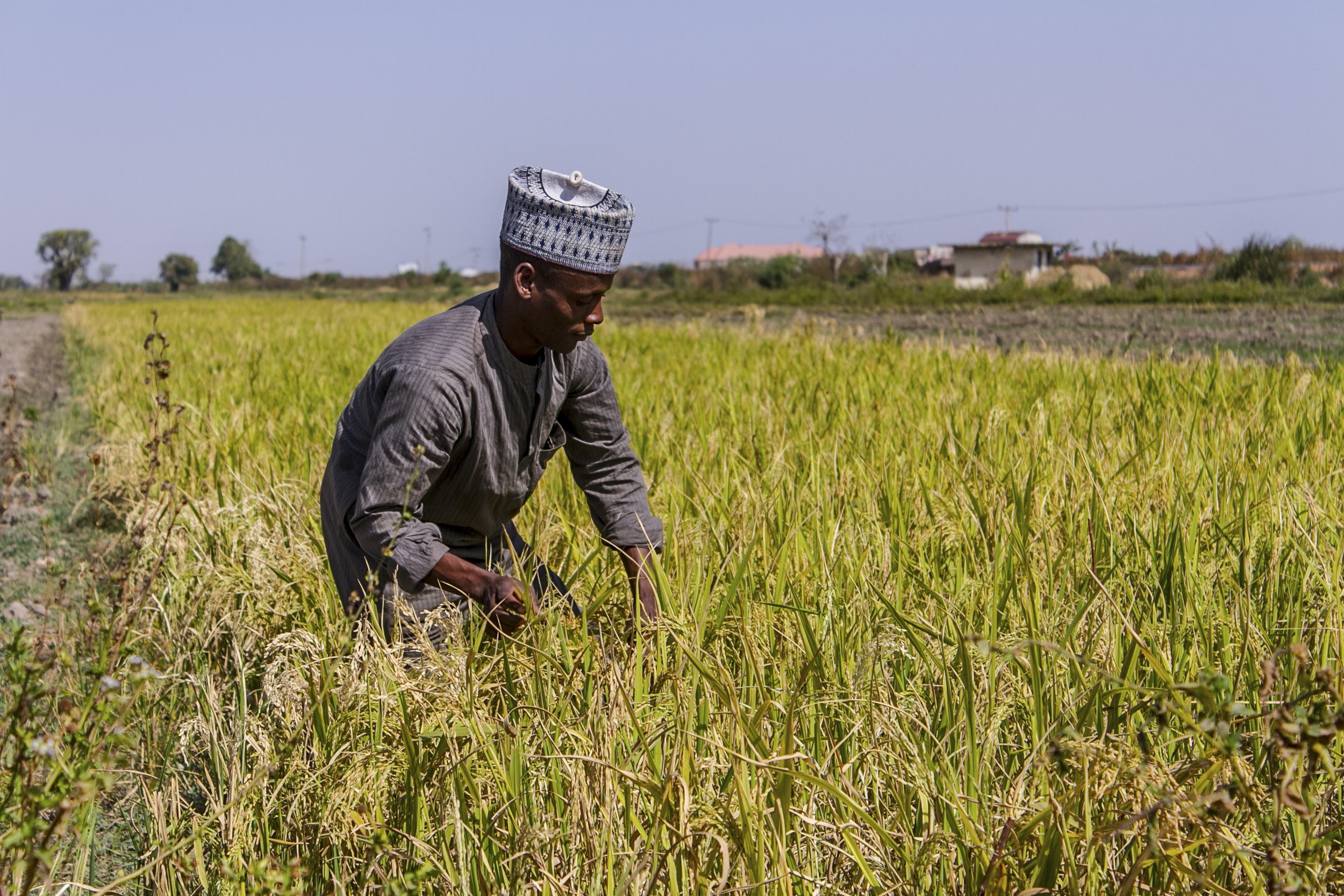
View of Àáro cooperative farmers from the “Lisabi” dramatization. Straw ground covering suppresses weed growth and also serves as organic fertilizer to the soil when it decays. (Source: trailer promotion from Netflix)
Designing from within
How the traditional Àáro cooperative farming model and modern sci tech can fulfill the potential of African agriculture
Designing from within
How the traditional Àáro cooperative farming model and modern sci tech can fulfill the potential of African agriculture
John Adeolu
The answers we seek are often buried within us like deep waters; only those with understanding can draw them out and turn them into solutions.
In pre-19th century West Africa, one of the most powerful indigenous systems among farmers was Àáro, a traditional Yoruba cooperative labor system that existed long before colonial rule. It was widely practiced among agrarian Yoruba communities in what is now southwestern Nigeria.
Egbe Àáro originally functioned as a mutual-aid farming guild. Members pooled their labor to clear dense forests, plant crops, and harvest fields for one another. This collective system guaranteed food security, boosted the agricultural economy, ensured that no single family fell into poverty due to a shortage of farmhands, and strengthened friendship.
However the Egba people lived under the oppressive Oyo Empire, whose ruthless collectors demanded “tributes” of crops, livestock, money and labor. The breaking point arrived when these collectors launched an attack on a local wedding, resulting in the deaths of a young farmer named Oshokenu and his bride. Oshokenu's desperate final stand, in which he fought back and killed several tribute collectors before succumbing to his injuries, served as the ultimate catalyst for his friend, Lisabi.
Inspired by Oshokenu’s sacrifice, the warrior Lisabi Agbongbo-Akala brilliantly transformed the Egbe Àáro from a peaceful agricultural network into a unified resistance movement around 1780. Under the guise of innocent farming meetings, Lisabi secretly drilled the farmers in combat, stockpiled weapons, and established a command structure.
Because Oyo rulers viewed the Egbe Àáro purely as a social labor group, the Egba built an army completely undetected. When Lisabi gave the signal, the army executed a synchronized uprising, eliminating Oyo's imperial tax collectors and fighting off retaliatory forces to secure Egba independence.
The rebellion was successful, demonstrating how agricultural cooperation laid the foundation for liberation from injustice.
This historic story has also been brought to life in contemporary times through film here. Nigerian actor Lateef Adedimeji portrays Lisabi Agbongbo Akala in the epic movie Lisabi: The Uprising, offering a vivid dramatization of how the Egbe Àáro system evolved from a cooperative farming structure into a powerful resistance movement.
This system is human-centered, and it reflects a deep understanding of cooperation and sustainability. When we look closely, we see that it already contains the principles of modern collaboration and shared economies.
A Yoruba adage says, “What you are looking for in Sokoto is already in the pocket of your ṣòkòtò (trouser).” The solution we are searching for elsewhere is already within us. In the same way, the answers to many of Africa’s development challenges are not far away, they are already working within our systems, cultures, communities, and resourceful adaptation of external influences in ways that work to our advantage.
For too long, we have focused on critiquing Western development models, and rightly so, because these global systems often extort (I don’t want to say steal) more than they give. They take resources, labor, and value from Africa while returning little in comparison. But critique alone is not enough. We must also recognize, and intentionally strengthen what is already working.
According to IFAD, Nigerian agriculture consists of 70% smallholder farmers. We produce 90% of our food crops, but we lose far too much after harvest. This waste, along with the rise of imported processed foods in our diet, and other factors (noted below) greatly holds back the potential of Nigerian farming.
Now remember, the Egba did not depend on external solutions. They did not import foreign systems. Instead, they looked inward, into their own culture, their own structures, their own way of life and found within it the tools they needed to solve a completely different kind of problem.
So, I’m inquiring into what systems already exist among us today that we have failed to recognize, develop, or adapt? At the same time, I’m looking outward to contemporary practices in the world at large.
When Àáro is combined with modern technology and agronomy, it becomes even more powerful.
If we want to transform agriculture in Nigeria, we have to go back to the traditional cooperative systems of Àáro and combine that tradition with modern technology and innovation.
Post-harvest losses remain a major challenge in Nigeria and other African nations, where between 30%–50% of food produced is lost annually. Some perishable crops like fruits and vegetables, losses can reach up to 40–50% before reaching the market. These losses are largely driven by weak market access, poor coordination, limited storage, and labor inefficiencies.
The farmers cooperative model directly prevents or diminishes post-harvest losses in multiple ways. (See list of ways in sidebar)
In essence, the cooperative model transforms fragmented, inefficient production systems into coordinated value chains; reducing delays, improving market access, building strong offtake relationships, and aligning supply with demand. All of these are key levers in tackling post-harvest waste.
Traditional Nigerian agricultural tools
Nigerian agricultural tools with metal parts date back into antiquity. The Nigerian village of Lejja appears to be the oldest iron-smelting site in the world. Archaeologists have found iron smelting remnants there dated to about 2000 BCE. The village blacksmiths worked with the farmers to design the tools.
The curved hoe is commonly used in parts of West Africa to minimize back strain during long hours of weeding. The design allows for a more ergonomic posture compared to a straight handle, making it quite effective for the way land is managed here.
The tools shown in this section — a hoe with a large rounded steel cutting end used for tilling soil and furrowing large tracts of soil for seed, an axe, a sickle, and a pointed spade — were collected between 1966 and 1969 by Clarice Ann Lot, a teacher from Pennsylvania who worked among the Hausa ethnic group of Nigeria.

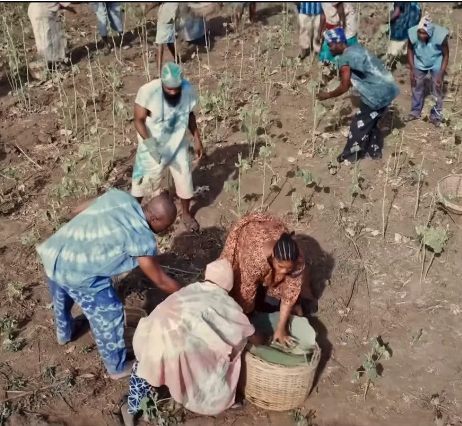
Rice is one of the most labor-intensive crop and benefits from cultivation by a coordinated work force.
Solitary farmer in Nigerian rice paddy.
Photo: Nduati.githae - Own work, CC BY-SA 4.0, https://commons.wikimedia.org
Cooperative farming start ups
To get underway using Àáro principles, we could build an initiative that encourages farmers to form local clusters in Ogun, Oyo, Kaduna, and Benue states. Instead of struggling on our own to get labor, seeds, supplies, and tools, farmers would help each other acquire what we need and share key resources. We would handle land preparation, schedule planting, and harvest together with ease.
Through this collective effort, we could farm large areas efficiently and quickly without needing a fleet of expensive heavy machinery. We could also use cooperative financing like Àjọ (also known as Esusu or Adashe), where farmers pool their money and take turns collecting the payout. This gives each member direct financial strength to buy inputs when needed. Agricultural extension services would also be delivered to the group at once, making training more accessible.
Another big advantage for these cooperatives is using simple mobile money tools and digital platforms. Farmers can stay connected, share information instantly, and make better decisions using real-time data. At the same time, practical agronomy science can help improve crop yields through better soil management, plant nutrition, pest control, and sustainable practices.
When challenges pop up, these cooperatives won't have to face them alone. A group in Kano could check local weather forecasts on their phones to know the exact right time to plant. A group in Oyo could spot a pest threat early using shared digital alerts. And with transparent market prices, farmers know where and when to sell for the best return, protecting them from unfair middlemen.
This model builds up the smallholder farmer. Because each farmer still owns their own land, the system protects individual identity while creating a shared bond and opening up real opportunities to grow our agribusinesses.
This approach isn't just for Nigeria. Across Africa, where many countries share similar smallholder structures (like Ghana, Kenya, Benin, Cameroon and Tanzania), the Àáro-inspired cooperative model can be adapted to fit local conditions. By reducing the poverty and resource competition that so often fuel rural clashes, these organized networks can strengthen food security, build local peace, foster unity, and build self-reliant agricultural systems that change how the West views Africa.
African and Africa diaspora researchers are among the specialists working on front lines that can help empower African cooperative farming
The photos of the specialists below are all sourced from the pages of the institutions with which they are affiliated.
Editor’s note: John Adeolu, author of this article, created the diagrams in this section.
The diagram below shows how digital agriculture drives sustainable development through an enabling ecosystem of technology and services using the key components such as digital advisory and extension services, digital financial services, digitized farm tools, and digital market linkages. These pillars contribute to agricultural-led economic growth by improving income, productivity, market efficiency, and yield.
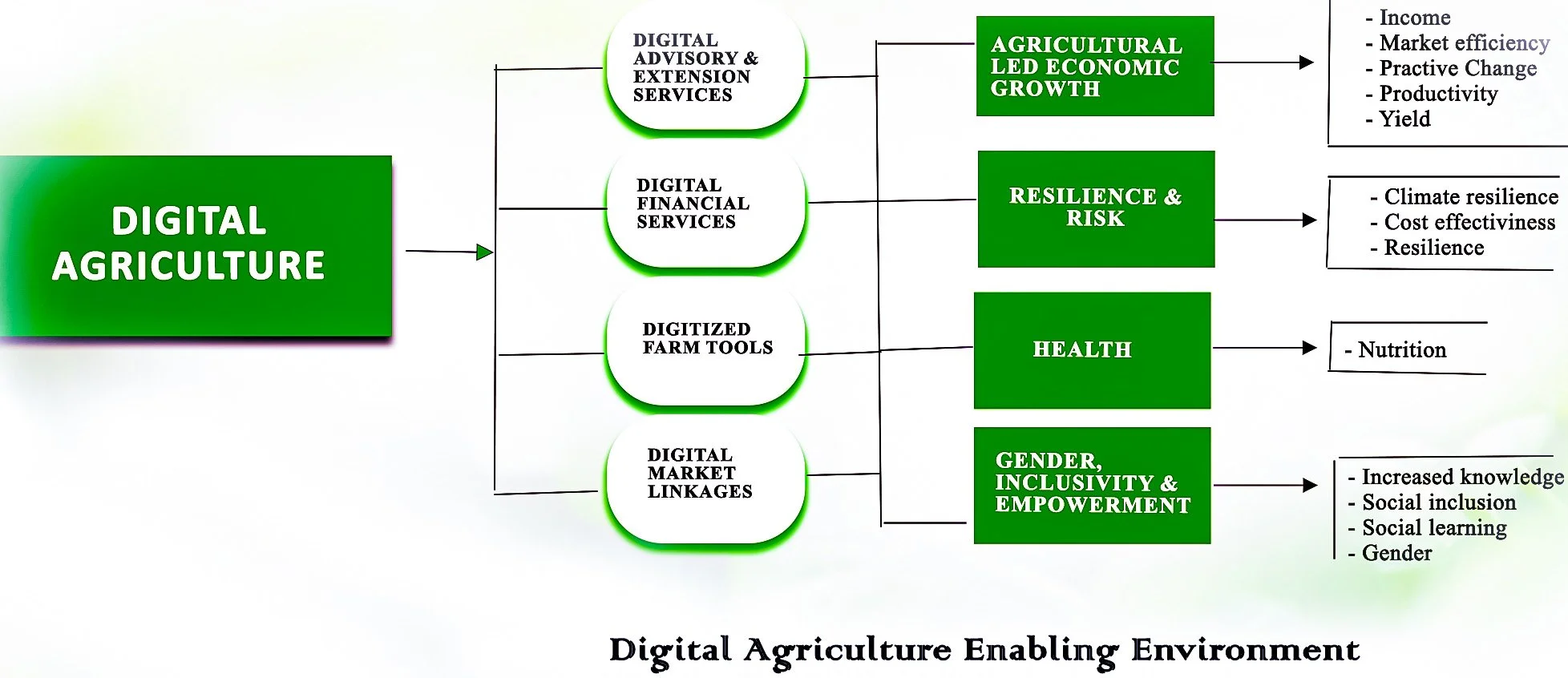
“ … moving away from centralized and top-down approaches.”
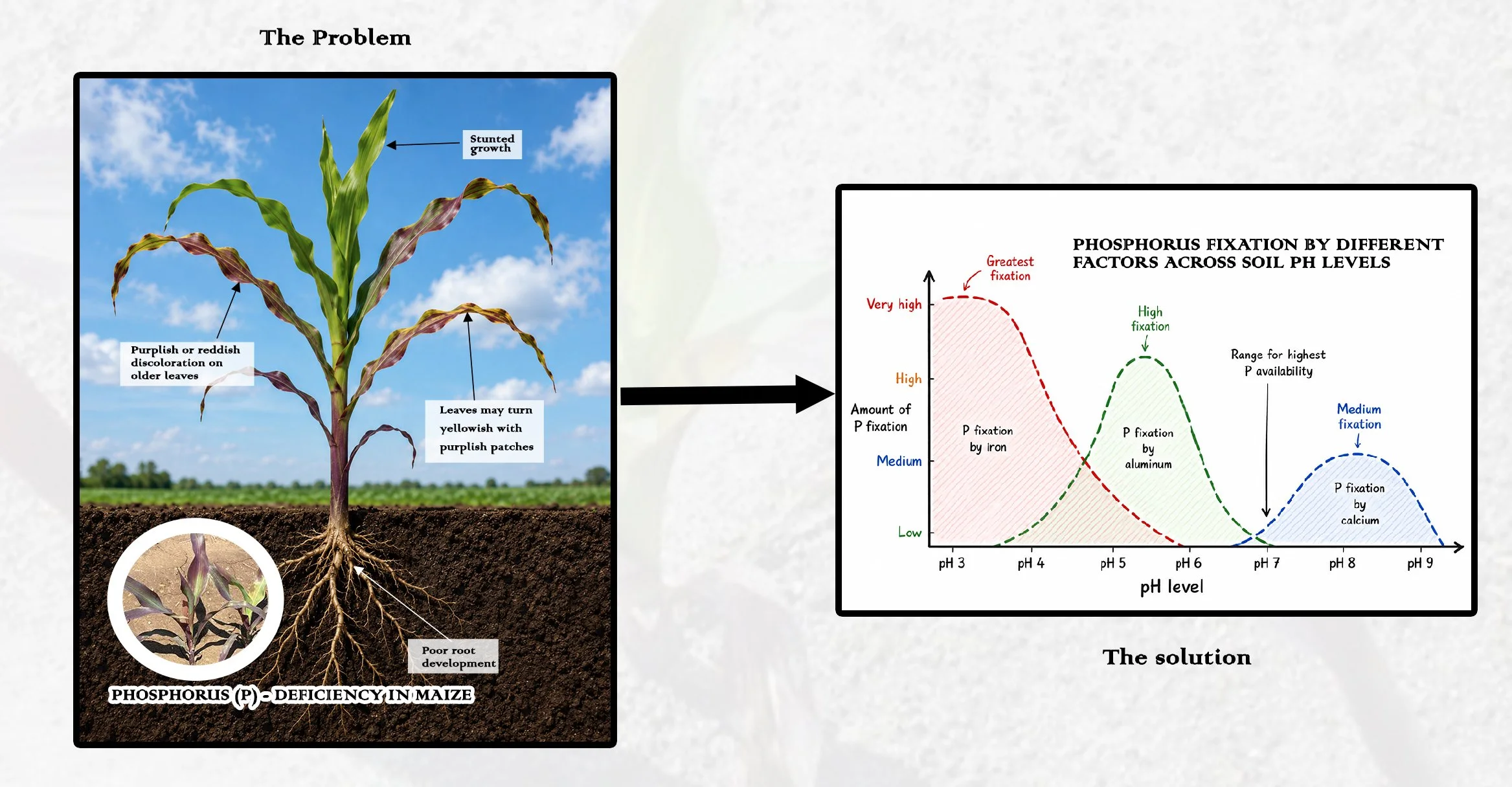
Phosphorus (P) deficiency in maize and its link to soil chemistry. On the left, the problem is illustrated through visible symptoms such as stunted growth, purplish discoloration of older leaves, yellowing with purple patches, and poor root development. On the right, the solution is explained using a graph showing how phosphorus fixation varies across soil pH levels, influenced by iron, aluminum, and calcium. Optimal phosphorus availability occurs within a balanced pH range.

Dr. Ed Mabaya

Dr. Lisen Schultz

Dr. Vincent Aduramigba-Modupe

Dr. Esther Yeboah
“Many modern farming systems in Africa rely heavily on imported inputs, creating dependency, while traditional African crops were naturally resistant, adapted to local climates, and sustainable over time.”
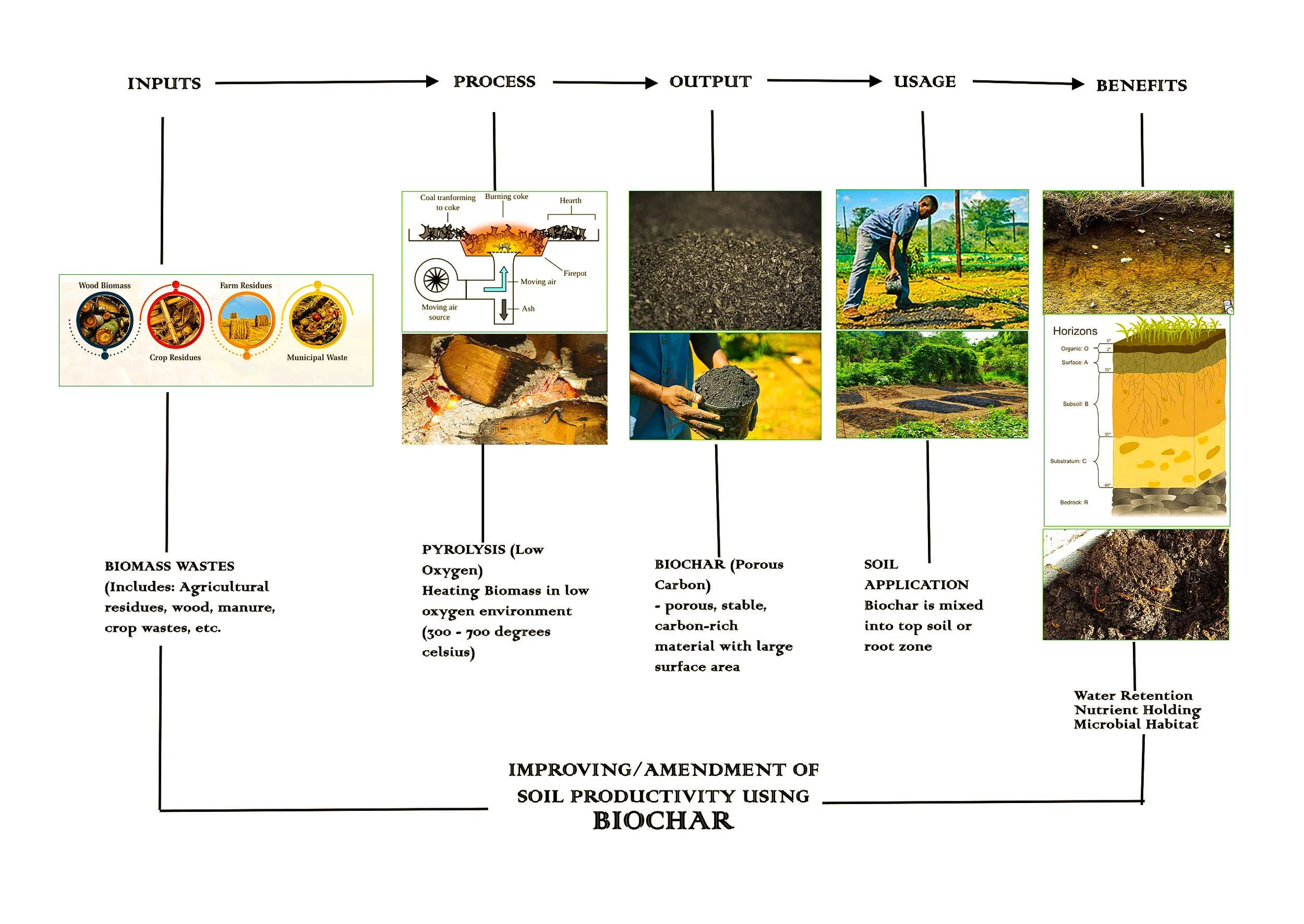
This chart shows the process of improving soil productivity using biochar, from inputs to benefits. It begins with biomass waste such as crop residues, wood, and manure, which undergo pyrolysis under low oxygen conditions to produce biochar; a stable, carbon-rich, and porous material. The biochar is then applied to soil, enhancing its structure and fertility.

Dr. Gumataw Abebe

Dr. Emmanuel Yiridoe
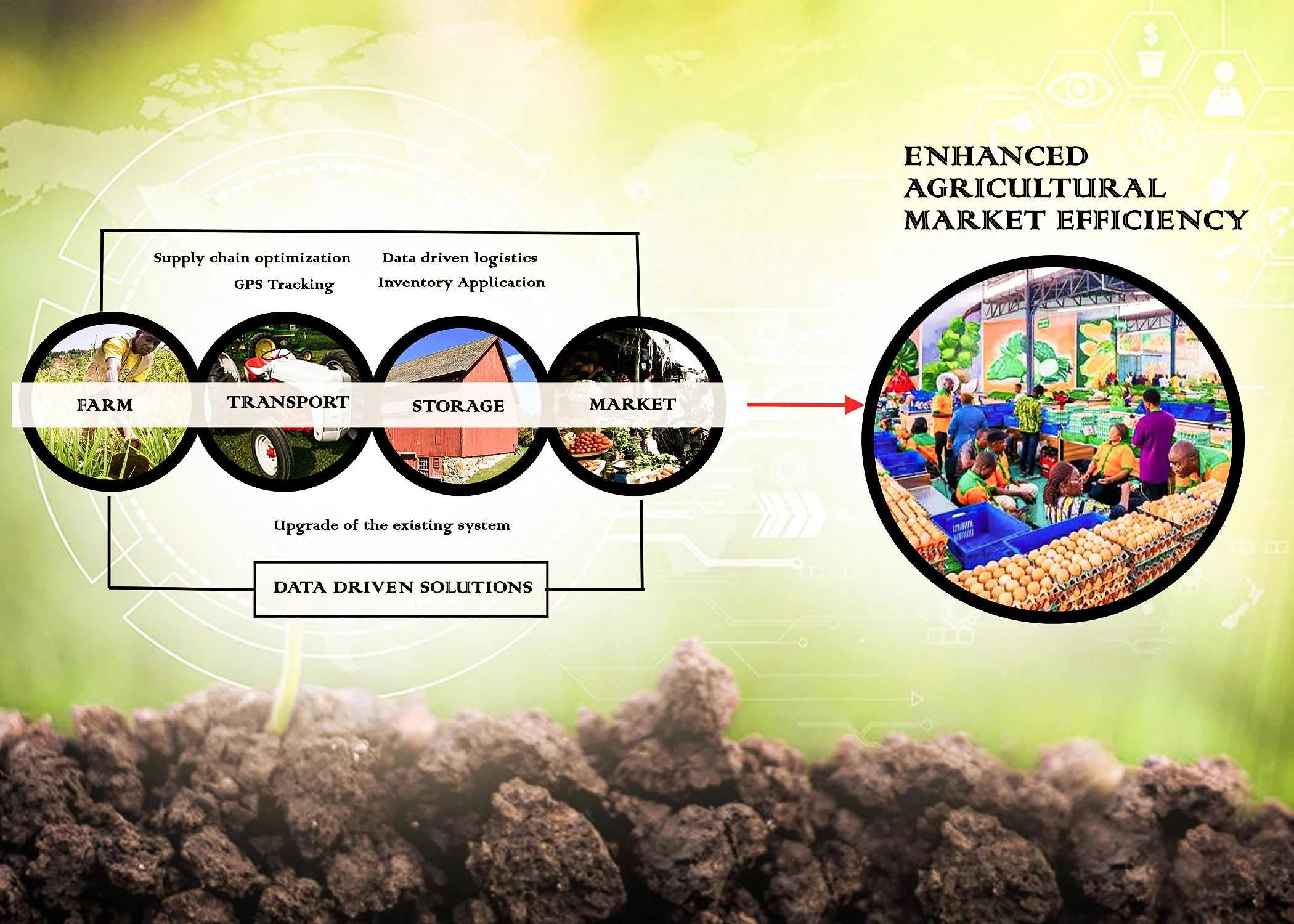
Data-driven solutions enhance agricultural market efficiency across the value chain. This image shows the integration of farm operations, transport, storage, and market systems, supported by technologies such as GPS tracking, supply chain optimization, inventory applications, and data-driven logistics. By upgrading traditional systems with digital tools, the process improves coordination, reduces losses, and ensures timely delivery of farm produce.

Dr. Gumataw Abebe
Dr. Terri Long
In the Àáro system, men and women farmers worked collectively in rotation to sustain the community. (Source: trailer promotion for “Lisabi” film from Netflix)

Lisabi Agbongbo-Akala, the cooperative farm leader, transformed cooperation into fighting the oppressive Oyo empire.
Note his curved hoe.
Photo: Netflix
The team planning this farming collective model will reach out to specialists in agronomy, computing for community-based economies, digital agriculture and related fields.
Dr. Ed Mabaya, a research professor and a development practitioner with more than two decades of experience working on development, agribusiness value chains and food security at the College of Agriculture and Life Sciences at Cornell University, supports this idea through his work on digital agriculture, which shows that digital technologies can create enabling environments for agribusiness growth by improving access to information, markets, and services.
You must know that technology is not meant to replace farmers but to support them.
At the same time, there is a clear warning that technology must not become another form of external control. It must remain accessible, relevant, and supportive, helping farmers make better decisions rather than taking decisions away from them.
For example, the African markets are generally misunderstood, yet they function efficiently, sustainably, and at a large scale. Recent research by Lisen Schultz at the Stockholm University’s Resilience Centre makes it clear that the future of development is not about scaling extraction but about scaling regeneration. This has made us change our thinking about food, health, and the environment as one interconnected system. You cannot design for food without designing for health, and you cannot improve health without improving food systems. In the same way, you cannot build sustainable cities without considering ecological realities.
Everything is connected. Solving food insecurity without addressing soil health is not a real solution, and improving healthcare without addressing nutrition and environmental conditions will not produce lasting results.
Contemporary research in urban systems continues to emphasize localized systems, data-informed decisions, and community-driven development, moving away from centralized and top-down approaches.
The foundation: soil. African soils under stress
From the very beginning, the land (soil) has been the foundation of life. It is from the soil that creation is sustained, provision is made, and humanity is instructed to steward what has been entrusted to them. Before markets, before trade, and before cities, there is soil.
However, African soils today are under stress, losing nutrients and fertility. Dr. Vincent Aduramigba-Modupe, the Africa Centre director of the International Nitrogen Initiative; and a Senior Research Fellow at the Institute of Agricultural Research and Training, Ibadan, Nigeria, explains that “phosphorus deficiency is a widespread fertility constraint of many tropical soils. Low available P in these soils has been associated with high contents of Fe and Al oxides.”
This is a reality across African agriculture. Aduramigba-Modupe explains, nutrient deficiencies, especially phosphorus, remain a major limitation to crop productivity in sub-Saharan Africa, holding back the full potential of farmers and their yields. So, we should therefore know that without restoring soil fertility, no level of technology will sustainably increase output.
In the same way, Dr. Esther Yeboah, a scientist at the department of Nutrition and Food Science, University of Ghana, also emphasizes the importance of restoring soil systems in her paper, Improving soil productivity through biochar amendments to soils. “The use of biochar could allow the total soil organic carbon (SOC) sequestered in soils to be several magnitudes larger than is naturally possible,” she explains.
We should know that rebuilding our soil is not only improving yields today but strengthening the very foundation of agriculture for long-term productivity and climate resilience.
Growing up as a farmer, I saw how my smallholder farmer neighbors struggled with declining yields, often without understanding the cause. Rebuilding our soils is more than improving harvests; it requires securing the future of humanity itself. When soil is healthy, that quality is passed on to the plants, yields are stable, and farmers rely less on expensive chemical inputs that can later affect the health of humans while consuming.
Many modern farming systems in Africa rely heavily on imported inputs, creating dependency, while traditional African crops were naturally resistant, adapted to local climates, and sustainable over time. The most effective agricultural development will only happen when we build from within, developing our own inputs and strengthening natural systems.
Rethinking the real problem
One of the biggest inefficiencies in African agriculture is not production but lack of demand coordination. Farmers often produce without clear knowledge of market demand, leading to waste, losses, and inefficiencies. This also leads to increased food processing and preservation methods that can negatively affect health.
A better approach is to move toward demand-driven production, where buyers signal their needs in advance and farmers produce accordingly. This reduces waste, improves efficiency, and ensures that resources are used effectively. It also reflects traditional systems of exchange while using modern tools to improve coordination.
Dr. Gumataw Abebe, associate professor at Dalhousie University, highlights the importance of improving systems from his agribusiness journal that data-driven logistics and supply chain optimization can significantly enhance agricultural market efficiency.
The idea that the solution is not to replace existing systems but to refine and enhance them.
Modern agriculture often promotes mechanization as the ultimate solution, but this approach must be questioned. Also Dr. Emmanuel Yiridoe from the Dalhousie University, the same University as Dr. Gumaraw Abebe questioned this idea: “The economic viability of agricultural mechanization depends on context, scale, and long-term returns on investment.”
Technology must be adapted, not blindly adopted.
As we consider digital agriculture and soil health, we are also concerned about climate change that is already affecting Africa. Dr. Terri Long, director of the Department of Plant and Microbial Biology at North Carolina State University, explains that “... plants respond to nutrient stress in complex ways, particularly under conditions of limited iron availability.”
Limited iron availability in soils can be linked to climate change through drought, flooding, rising temperatures, shifts in soil microbial activity and overall soil degradation. They all play a role. These conditions disrupt soil chemistry and reduce the ability of plants to access essential nutrients like iron, even when those nutrients are present in the soil.
Studies show that drought conditions can significantly reduce nutrient mobility, limiting how nutrients move toward plant roots due to reduced soil moisture and mass flow.
On the other hand, heavy rainfall and flooding can lead to nutrient leaching, where vital elements like nitrogen and micronutrients are washed away from the root zone. Increased temperatures also accelerate soil organic matter breakdown, which can reduce long-term soil fertility and alter nutrient balance. Also climate-driven changes in soil microbial communities affect how nutrients are released and made available to plants.
The farm coop planners will continue to stay abreast of the work of the agronomists and agribusiness specialists, and we will invite them to keep us updated on their research.
The whole can be held together. As every part fulfills its role, growth happens naturally and the system becomes stronger.
To truly understand development, we must look at the full system, considering earth, people, environment, and culture as interconnected elements. And then, we can confidently say that we are not catching up but leading in the right direction that will not eliminate our cultures and general way of life as Africans.
John Adeolu is a farmer and agribusiness developer working towards fully reciprocal human and environmental systems.
John Adeolu’s other Ecollective articles are:
Agribusiness developer, information technologist, building construction manger, NGO founder and ... chicken farmer? The second part of this two-part article is “Preserving indigenous poultry genetics: culture, ecology and the future of sustainable African agriculture.”

The Àáro farmer warriors successfully held off the Oyo marauders.
Source: trailer promotion for “Lisabi” film from Netflix.
Farmer cooperatives minimize waste
By pooling labor, cooperatives reduce harvesting delays, a key cause of spoilage. Crops are lost when farmers cannot harvest on time due to labor shortages. Faster, coordinated harvesting reduces exposure to weather damage and deterioration.
Limited access to markets is a major cause of post-harvest losses. Rural farmers in Africa often face long travel times and poor connectivity to markets, which contributes significantly to spoilage. Cooperatives create internal market systems and shared logistics, helping farmers move produce faster and more efficiently.
Individually, smallholder farmers produce volumes that are often too small to attract large buyers. However, as a cooperative, they can aggregate supply, making it easier for institutional buyers or processors to purchase in bulk. This reduces the time produce sits unsold, which is a key contributor to losses.
Lack of real-time price and demand information leads to poor decision-making and oversupply. Cooperatives enable shared intelligence, members can access trends, pricing data, and buyer demand, helping them sell faster and at the right time.
When farmers operate in isolation, production is often based on guesswork. Within a cooperative, shared data allows farmers to align production with actual market demand. This reduces gluts, which are a major cause of waste in African agricultural systems.
Cooperatives make it economically viable to invest in shared solutions such as storage, aggregation centers, and even cold-chain systems. This is critical because up to 40% of food losses in Africa are linked to poor storage and infrastructure.

Photos in this section: courtesy of Nationality & Heritage Rooms and Intercultural Exchange Programs, University of Pittsburgh.