
This site does not fully display on phone screens.
View on desktop or laptop for the full experience.
Current stream
-
![]()
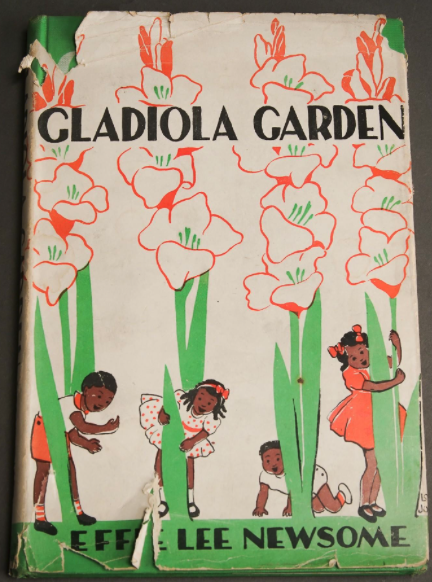
Gladiola Garden refuted "sambo" and "pickaninny" caricatures by depicting winsome black children playing in gardens of delight and other natural wonders
-
![]()
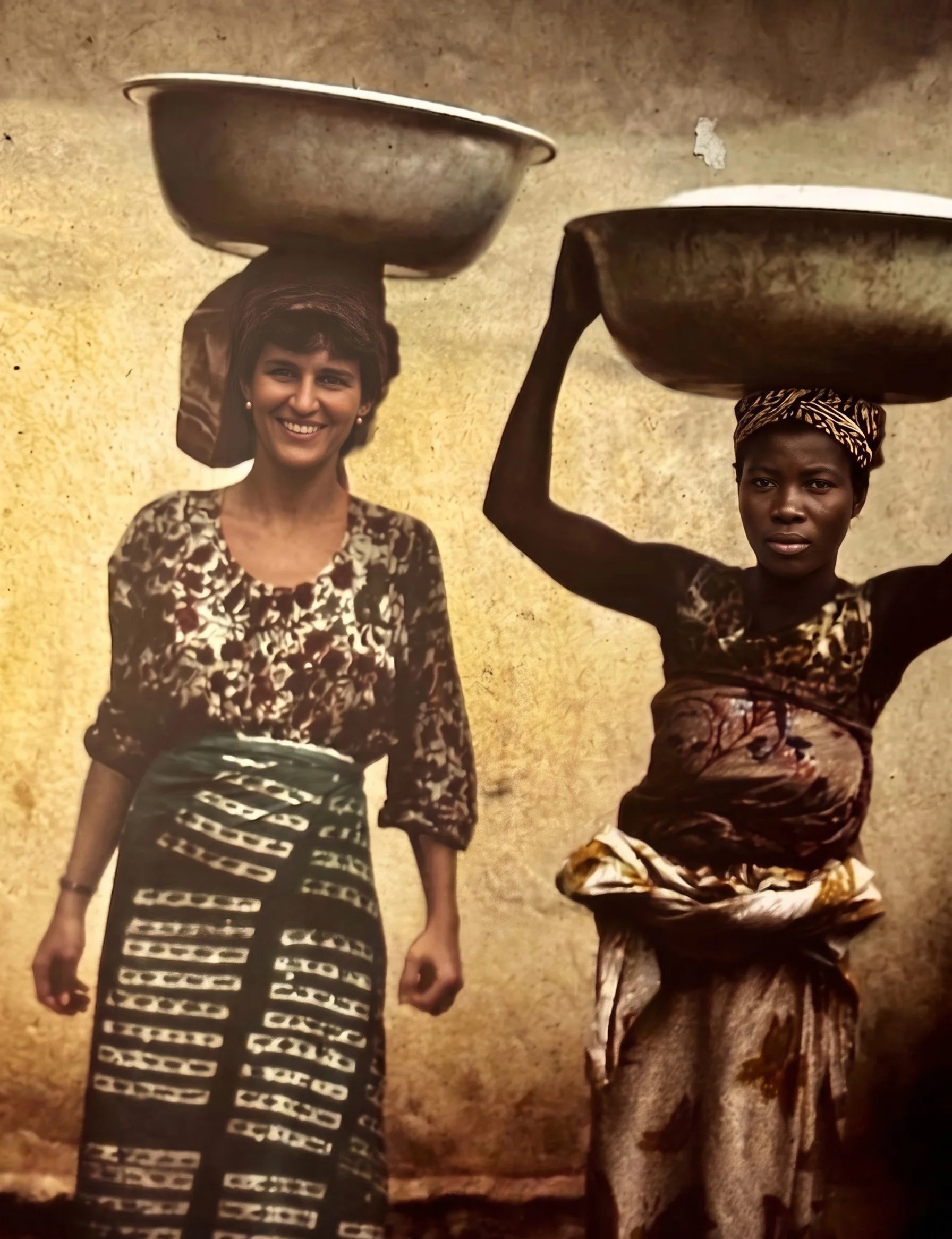
Earth remembers and Susan Siegel responds with ritual vessels that began to take shape in an Ivory Coast pottery village
-
![]()
How Africa can lead into the mid-21st century. Tosin Oshinowo and Lagos, the city of the future
-
![]()
A legendary farming cooperative leader inspires the planning of contemporary farming coops in Nigeria
-
![]()
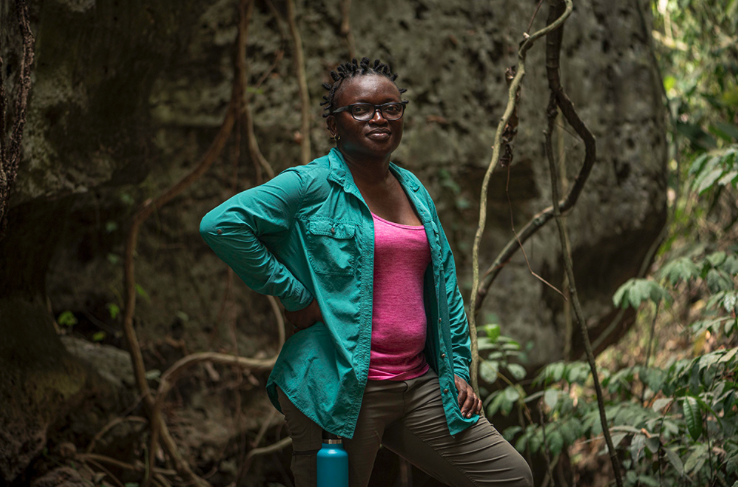
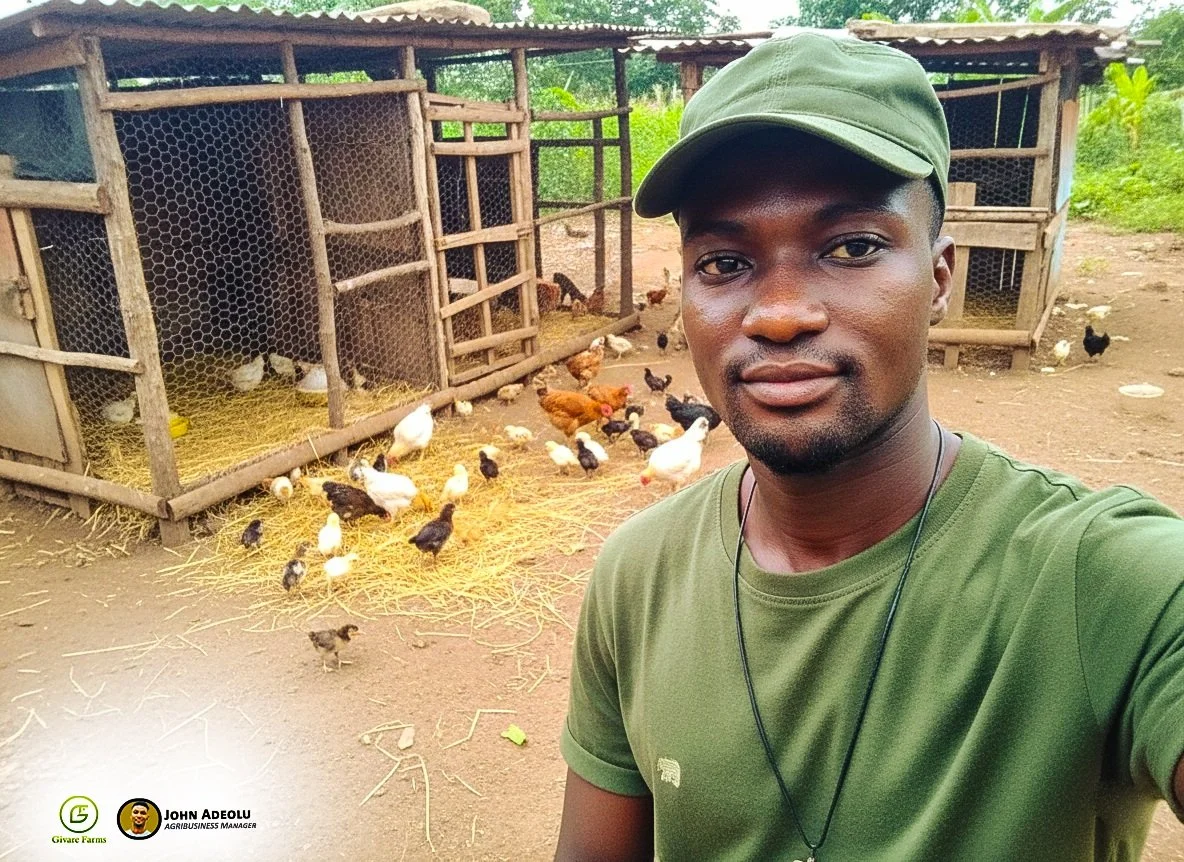
Wildlife ecologist Iroro Tanshi is profiled in an article by farmer environmentalist John Adeolu
-
![]()
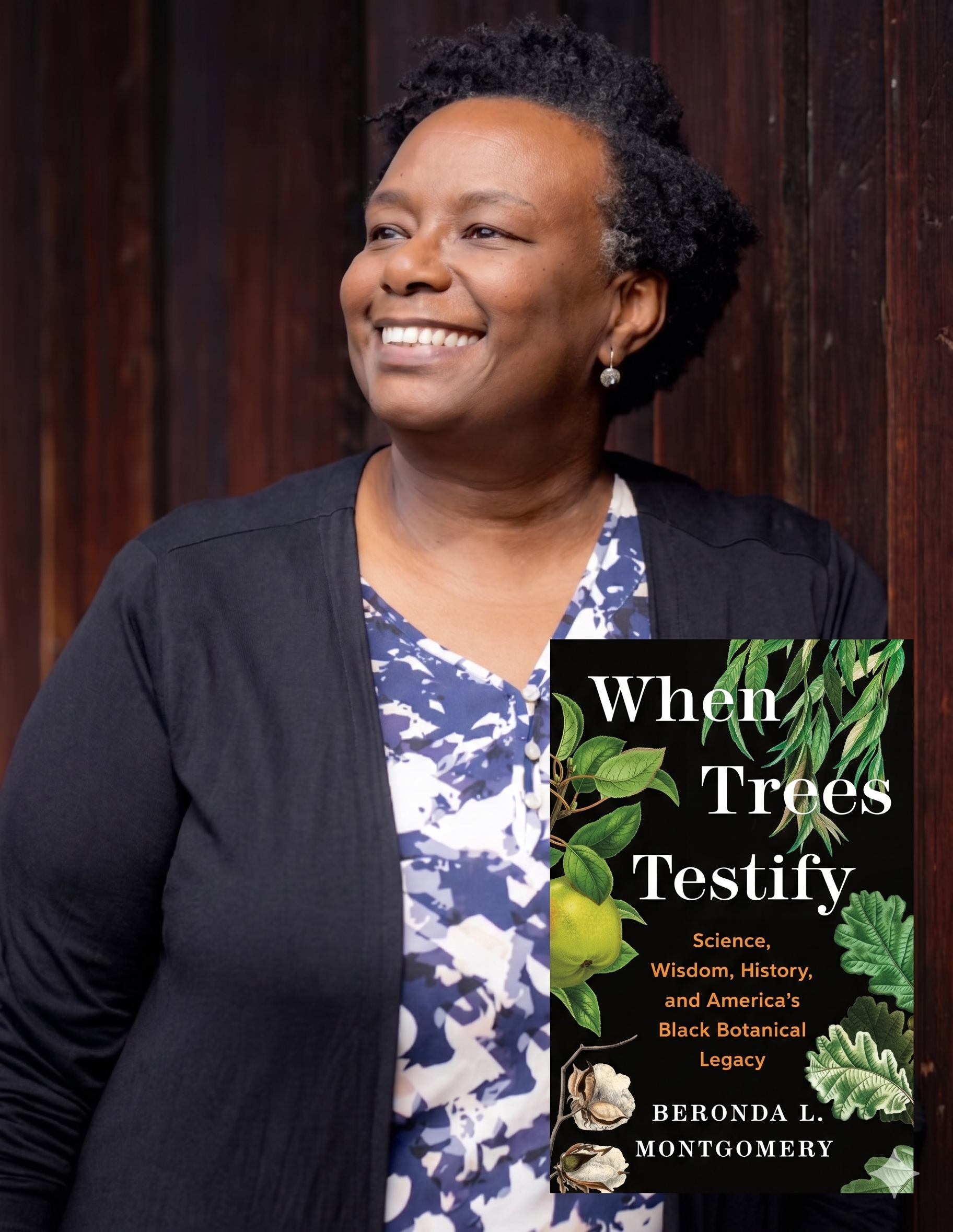
Beronda Montgomery, her new book, When Trees Testify, and the lesson from plants that she, herself, represents
-
![]()
Monica Sanders confronts the digital divide and environmental disaster
-
![]()
Plastic pollution has become one of the most pressing environmental challenges. As cities expand and consumption patterns evolve, the environmental cost of single-use plastics continues to rise. Stephen Shaibu Ochigbo’s research is contributing to the development of biological alternatives which will have will have wide-ranging human and environmental benefits.
-
![]()
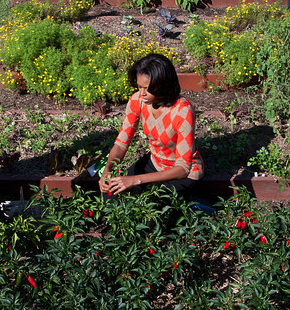
Michelle Obama's gardens proliferate from DC to Chicago
-
![]()
Across Africa, sustainable agriculture is often framed through modernization, intensification, and imported technologies. Yet this perspective frequently overlooks the ecological and cultural depth embedded within indigenous farming systems.
-
![]()
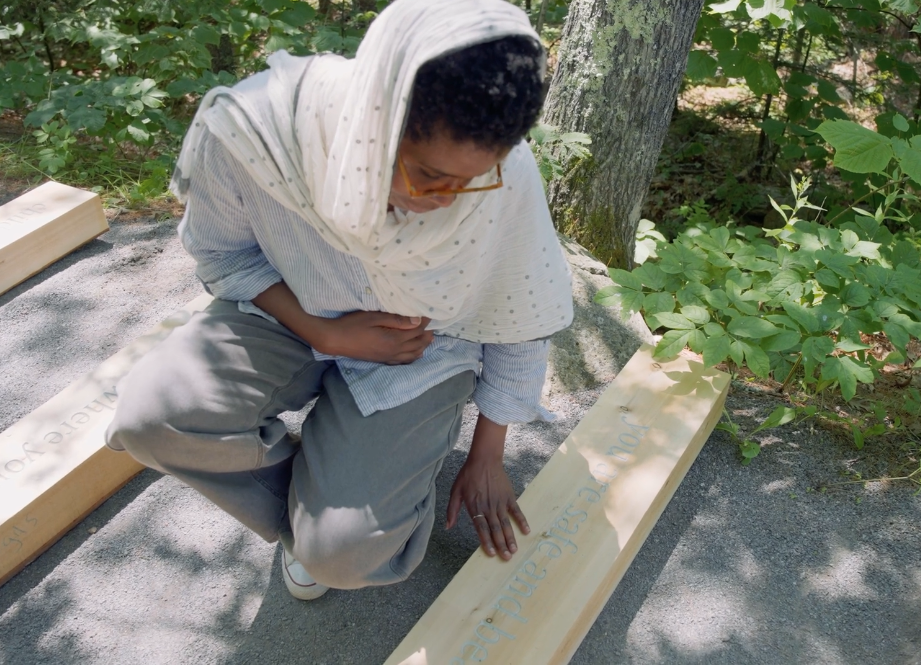
Arisa White inspects her heart care poem that is read while walking in the wood lands of a botanical garden.
-
![]()
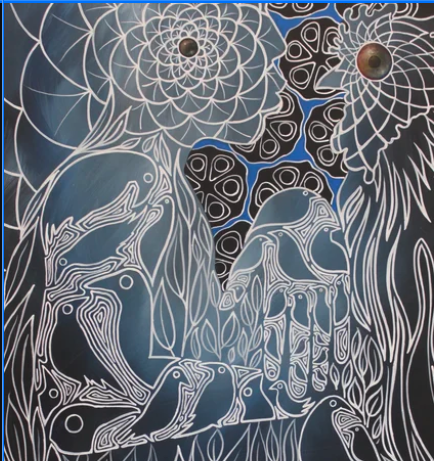
Daniel Minter making the unseen seen and replenishing the seen
-
![]()
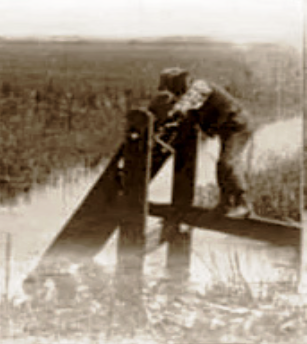
The Africans who made “Carolina Gold” rice worth its weight in gold: West African rice farming has a long history of using dikes and other techniques that were passed down through generations and adapted in the American South.
-
![]()
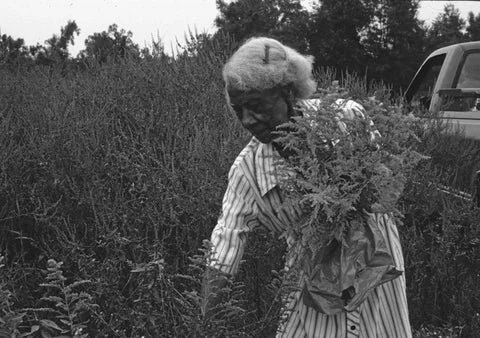
Sowing the seeds of African American horticultural history into a comprehensive field
-
![]()
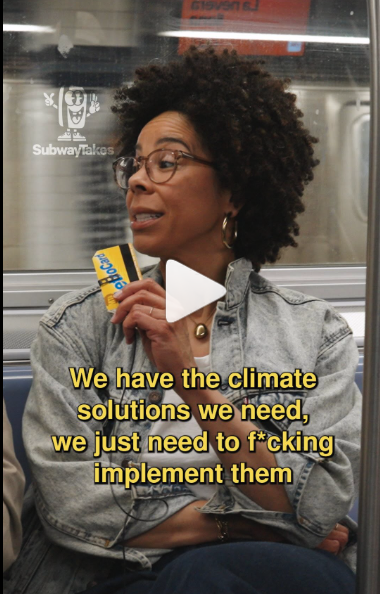
Ayana Elizabeth Johnson challenges the climate doom narrative with exuberant possibilities. She's shown here on the Subwaytakes podcast. Details on her Get it Right book and current life inside.
-
![]()
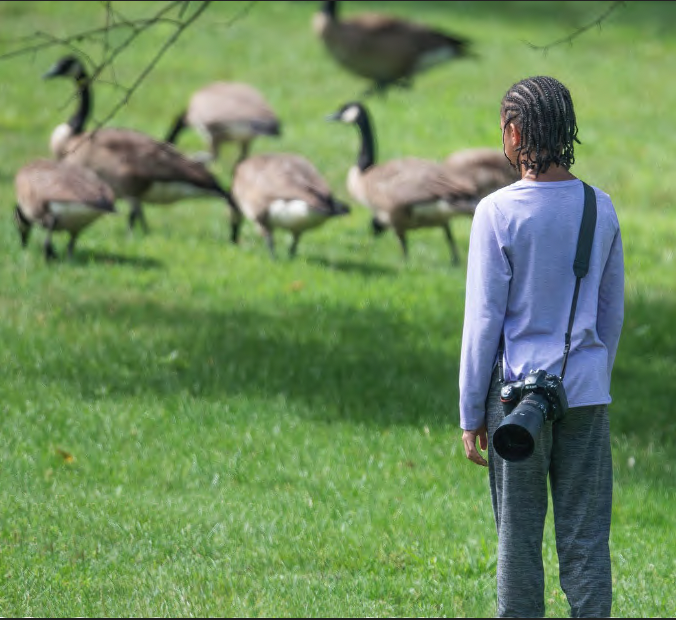
Cintia Cabib documents human connections with the natural world
-
![]()
I never imagined I would end up as a “river keeper” … but I inevitably was drawn back home to watch over her
-
![]()
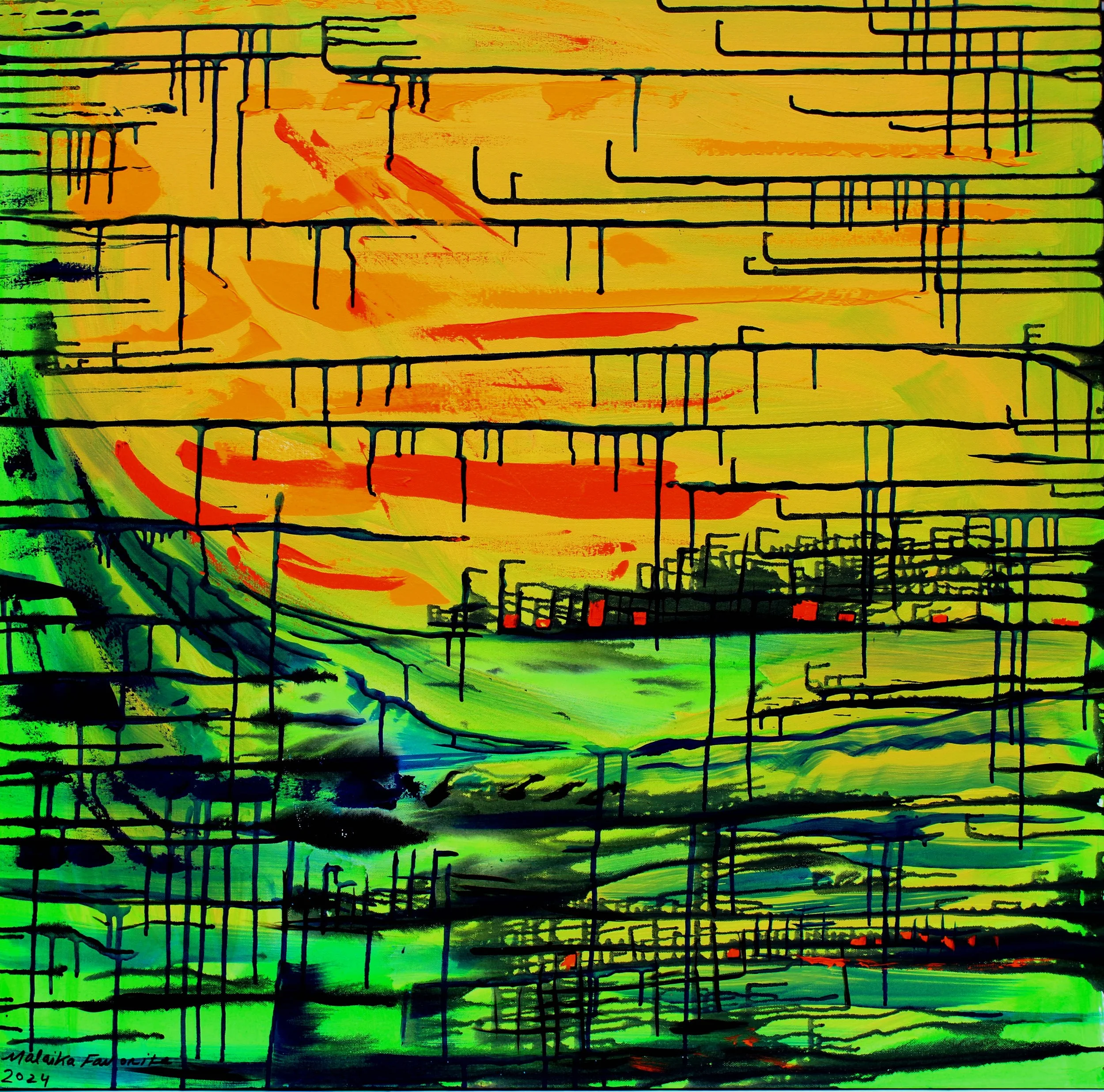
Malaika Favorite’s River Road painting confronts the petrochemical toxicity of the lower Mississippi River. She is continuing the environmental activism of her father.
-
![]()
Scroll down for continuing stream of articles


Continuing stream
-
![]()
De wata bring, de wata tek (“The water brings, the water takes" – Gullah Geechee saying): environmental perspectives on Kendra Hamilton’s groundbreaking new book: Romancing the Gullah in the Age of Porgy and Bess.
-
![]()
The visionary designer who’s taking on one of the world’s most intractable problems
-
![]()
Are Humans Nature's Dumbest Smart Animal?
-
![Article 1]()
Rae Wynn-Grant tracks, monitors and cares for animals in the wild. She also tells a devastating, anguished but instructive personal story
-
![]()
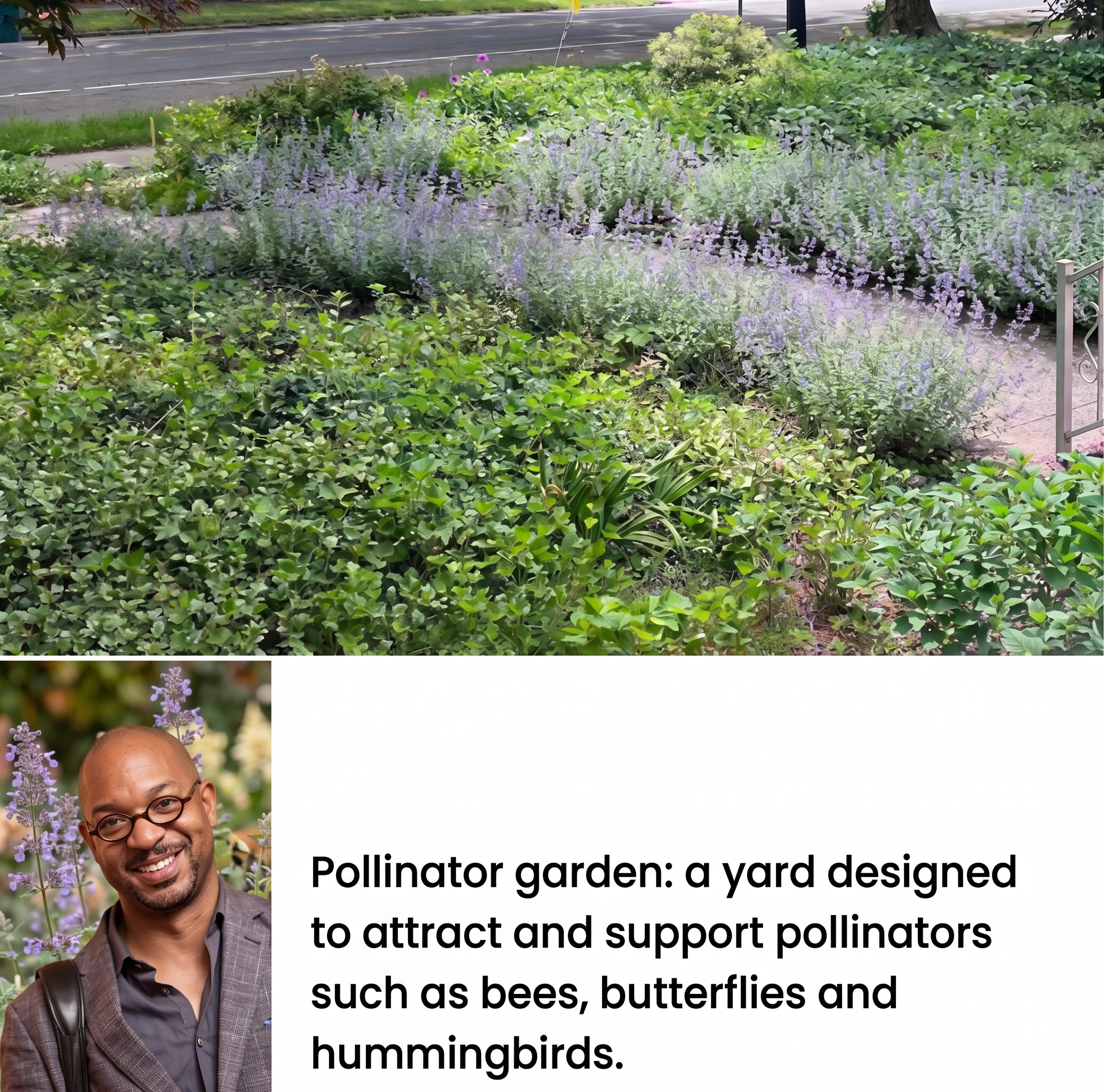
Roderick A. Ferguson turned his front lawn into a garden as a way to help address the environmental crisis
-
![]()
Between seeking and attainment is increasing immersion into the Whole
-
![]()
Trees flourishing in Africa in the spirit of Wangari Maathai
-
![]()
Marrying the Earth
-
![]()
Seeds of vast complexity
-
![]()
Placeholder 1
-
![]()
Placeholder 2
-
![]()
Placeholder 3
-
![]()
Placeholder 4





Earthseed journal features articles, creative non-fiction and reviews on the nexus of human, natural and spiritual worlds.

Great Dismal Swamp, still a place of refuge
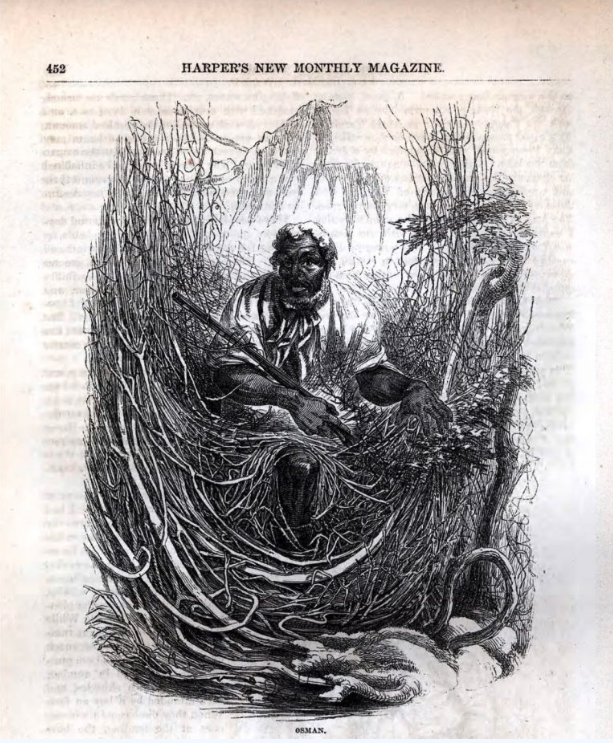
Wood engraving of a Dismal Swamp maroon called “Osman” in the September 1856 edition of Harper's New Monthly Magazine. The engraving was based on a eyewitness testimony by David Hunter Strother, author of the article about the swamp.
Their flight in some ways continued a tradition of immersion into the wilderness in what the Bakongo people called the “mfinda.”
The Ecollective mfinda allows us to create a metaphorical as well as historical and natural history of the Dismal Swamp which was called “dismal” because the English-speaking colonizers perceived dense, southern marshes as disease-breeding miasmas but similarly to the way Brer Rabbit regarded the briar patch, Africans made a good home in the swamp and some chose not to leave when paths to freedom developed through the Underground Railroad network in the swamp.
Through this space, we’ll travel to places of refuge within the natural world.
.
We begin with an invocation from the South Carolina coast
Photo: Margeorge 2022 for Creative Commons Attribution-Share Alike 4.0 International license.

Return pose
(balancing the glide)
eyes downward, stepping forward with right foot toes pointing left
on moist clay that becomes pots
hands aloft in mid-flight, fingers turned outwards
balancing the glide of geechee gullah girl divination
between visible and indivisible
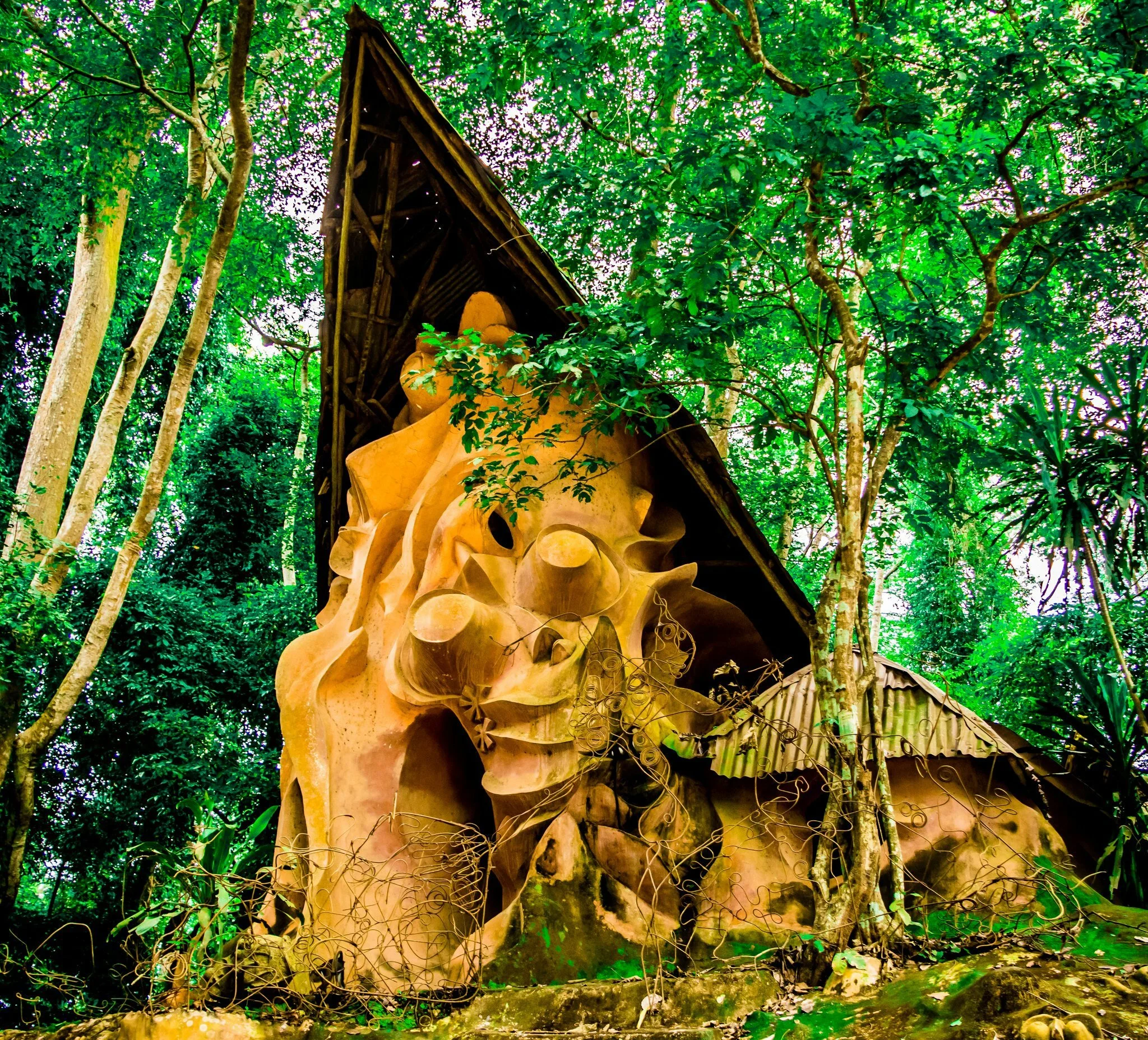
Entrance area of the Osun-Osogbo grove, Nigeria
The Osun grove is among the last of the sacred forests which usually adjoined the edges of most Yoruba cities before extensive urbanization. There is a relation between how the Dismal Swamp was regarded by African descendants and the sacred forests of West Africa including the Osun-Osogbo Grove and the mfinda of Central Africa. Self-emancipating black people viewed the Dismal Swamp as a spiritual haven as well as a hiding place.
Fleeing enslavement in southeastern Virginia and northeastern North Carolina, black people developed communities in the Great Dismal Swamp
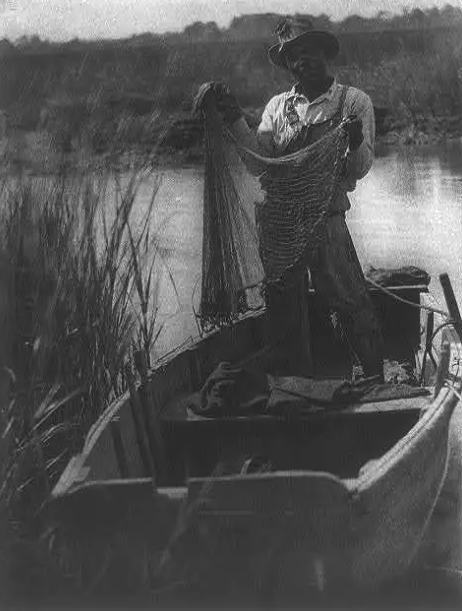
Photo: Doris Ulmann, Lang Syne plantation on the South Carolina peninsula, early 1930s


The International Day for Biological Diversity to increase understanding and awareness of ecosystem issues.
(Acharya 63 / Adobe Stock)